


GPT Chat doesn’t know what waiting is
I began this column by asking Chat GPT a question.
We see AI as a tool for exploring, experimenting and reflecting: pupils train models, test them, improve them and apply them to programme and solve challenges using the robotics kit. In this way, they develop their understanding, critical thinking and creativity within a meaningful educational framework.

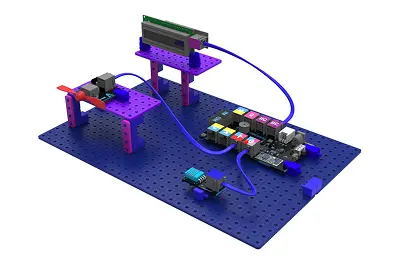
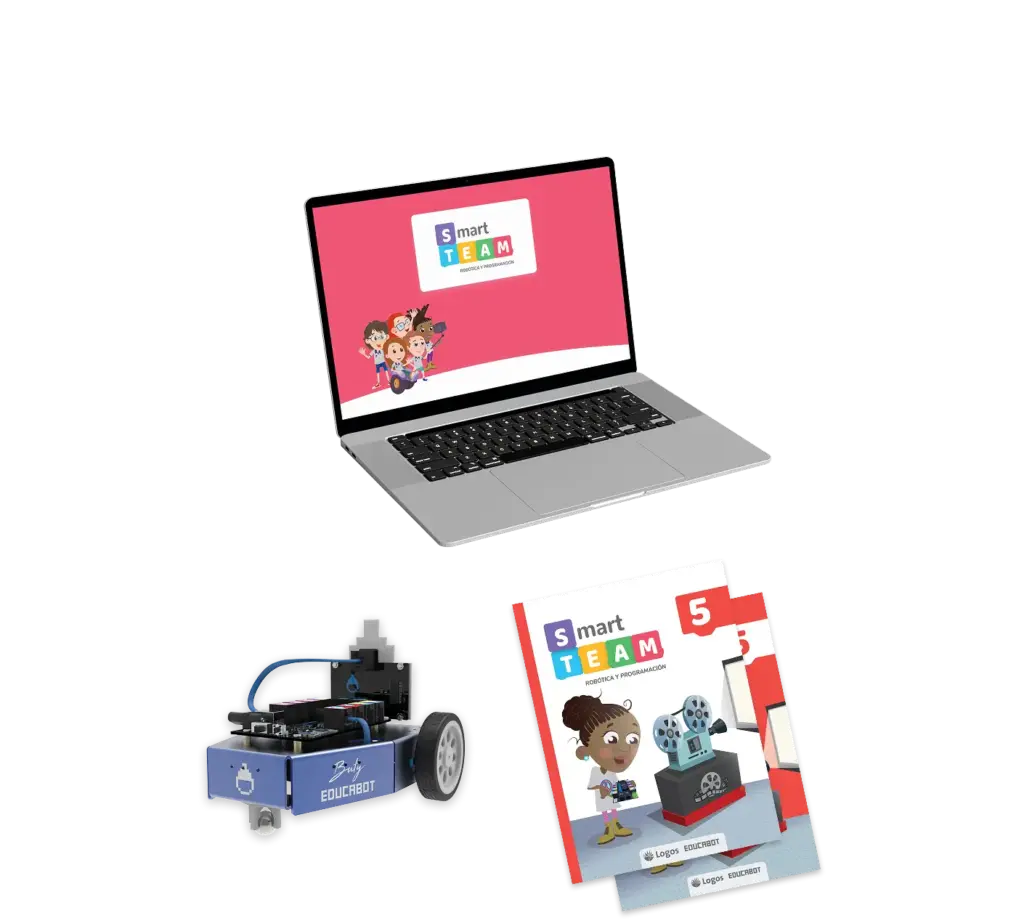
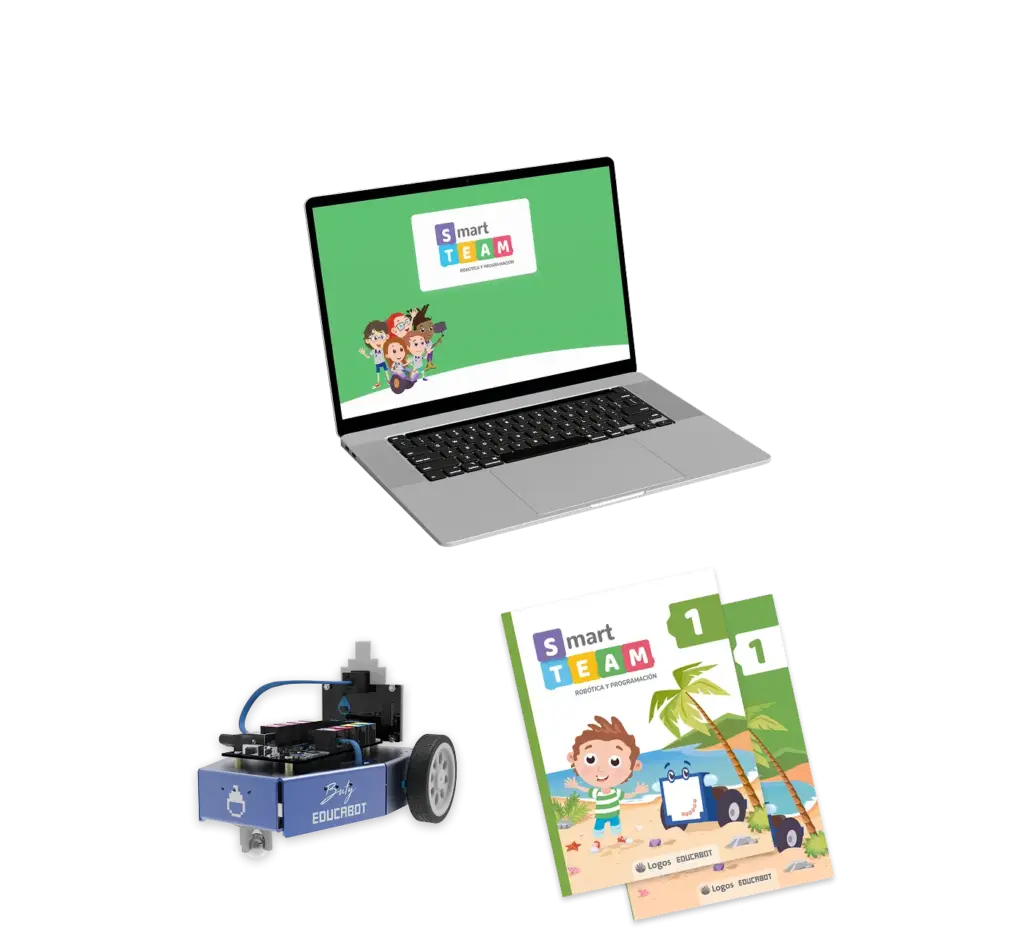
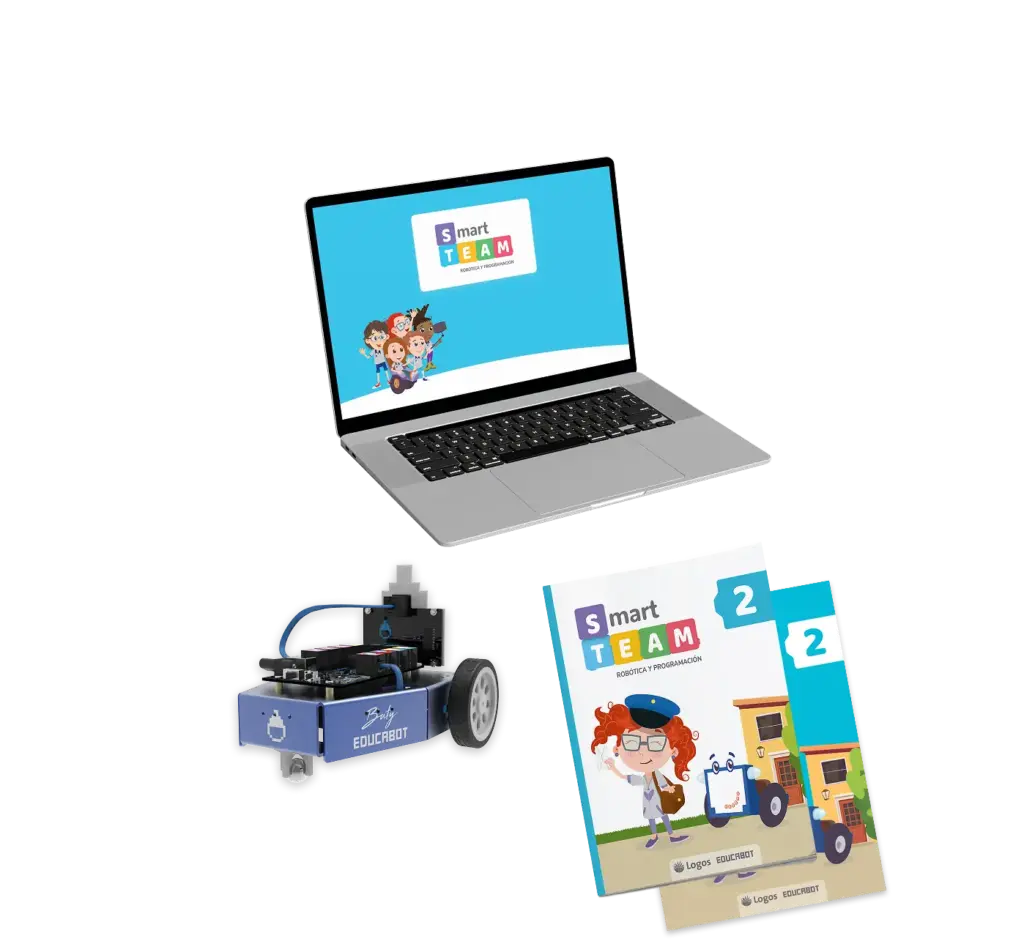
Artificial intelligence is integrated into our programme through a dedicated chapter in each book. In these chapters, students work with the Train platform, upload their own data samples, train machine learning models and test them. They then apply the results to robot programming, building on the narratives and challenges of each project. In this way, they take on an active and creative role, and come to understand AI as a tool for thinking, experimenting and building knowledge.
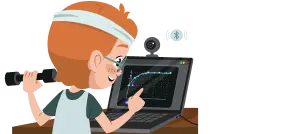
Students play an active role throughout the process: they collect samples, train models and evaluate them. In this way, they come to understand that AI is built on human decisions and does not work “automatically”.
Through data loading, model training and testing, students move beyond simply being users to become creators: they test, refine and improve their results.
AI is incorporated into specific chapters, linked to the narratives and challenges of each proposal, and is applied to robot programming to solve specific problems.

Students learn by training models using their own data. In this way, they come to understand how human decisions — which examples are chosen and how they are classified — influence the behaviour of technological devices.
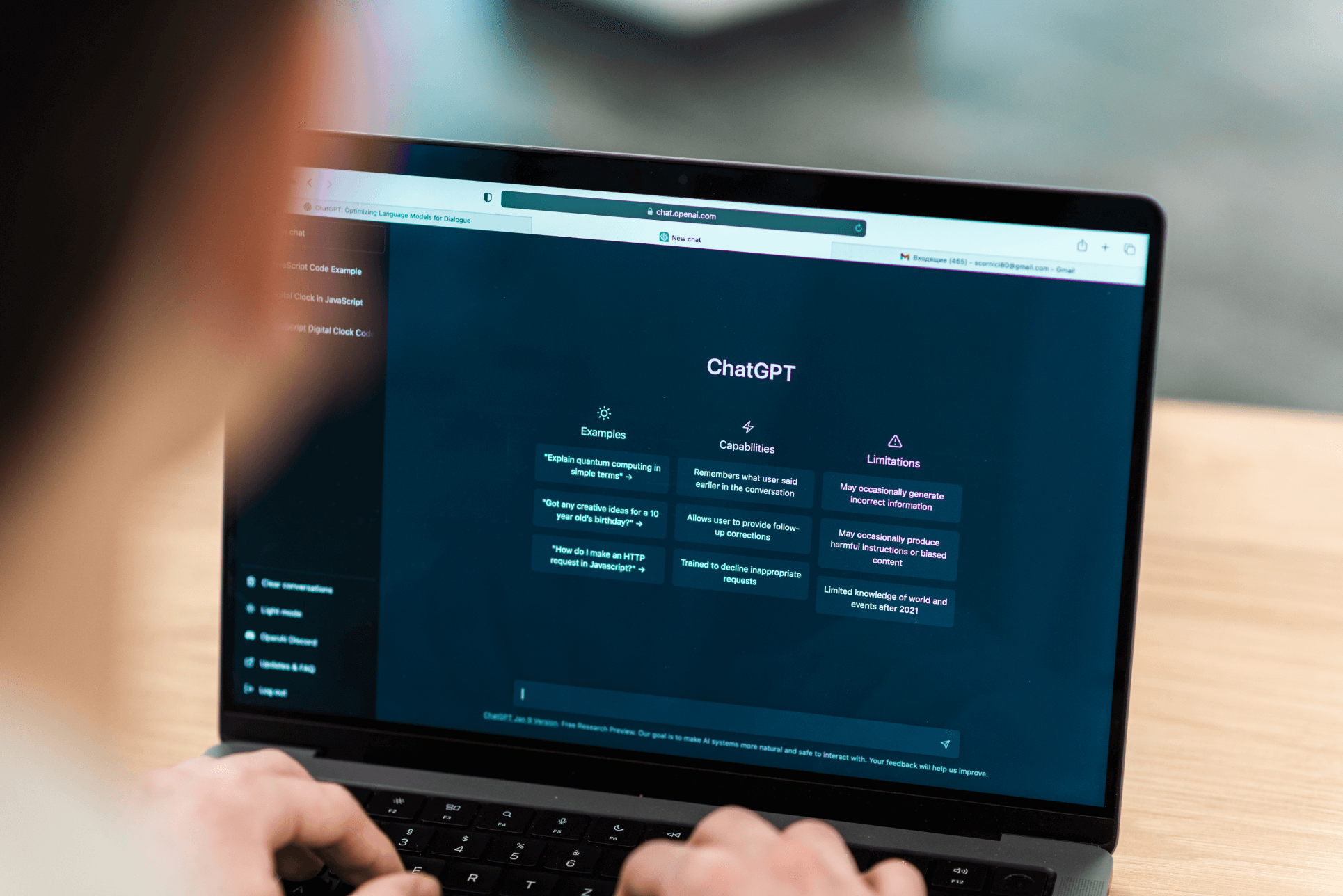
I began this column by asking Chat GPT a question.

Here are the key takeaways from our webinar on ChatGPT: is it the enemy of
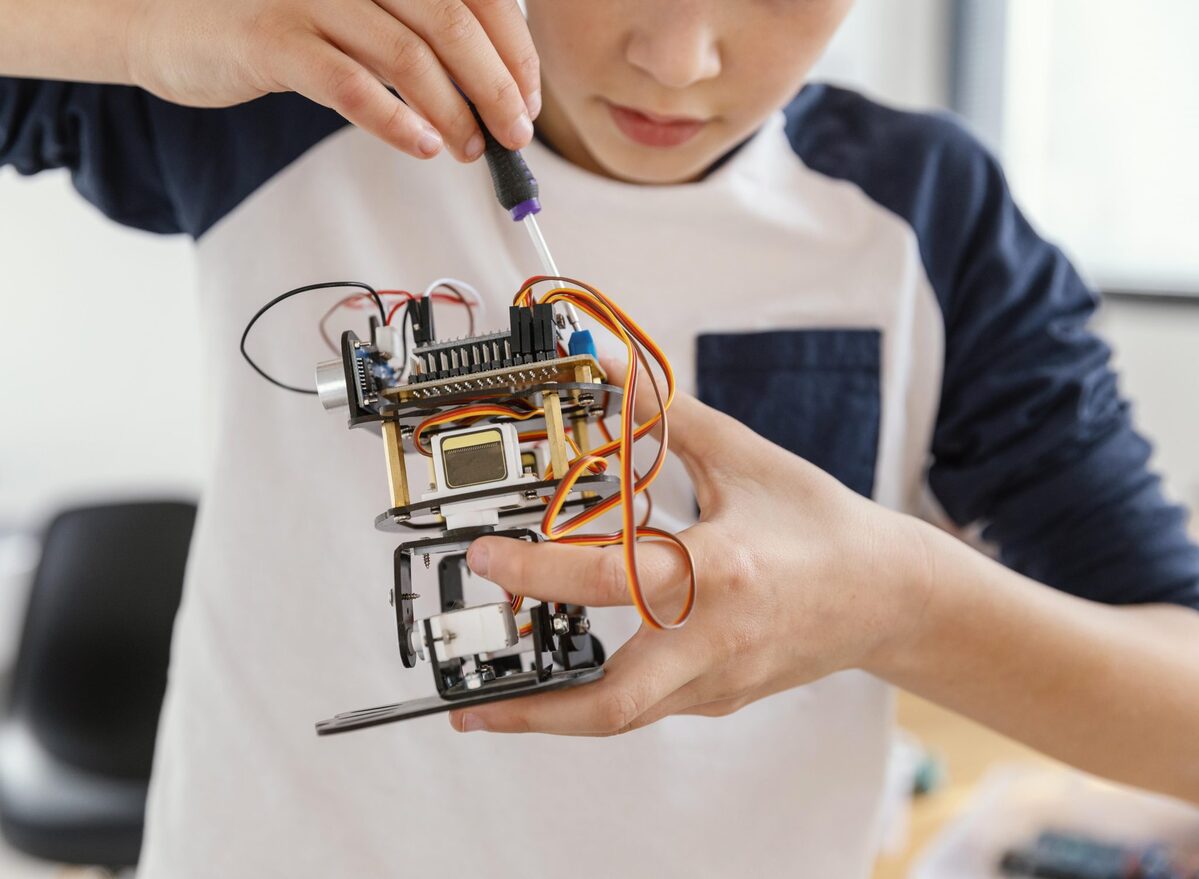
Robotics in education offers great opportunities to promote development